

Oxford primary pupils enjoy hands-on science at MPLS Primary Science Days
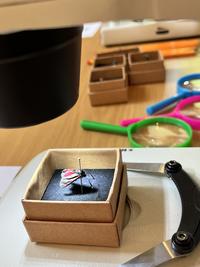
Oxford University's Mathematical, Physical and Life Sciences (MPLS) Division welcomed enthusiastic Year 5 pupils from local state primary schools for two days of hands-on scientific discovery as part of the annual MPLS Primary Science Days. This year marks the 3rd year that the Department of Biology have taken part with our Pollinator Pals workshop.
The event forms part of the Oxford College Twinning Project, one of the initiatives supporting the University's commitment to strengthening educational opportunities and community partnerships across Oxfordshire. Working in collaboration with University of Oxford colleges, the programme gives local pupils the chance to experience a wide range of scientific disciplines through interactive workshops led by researchers.
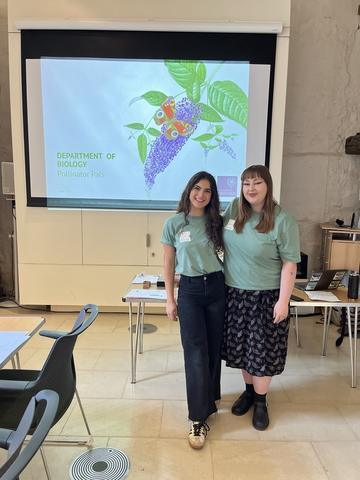
The Department of Biology was delighted to take part for the third consecutive year, running its popular Pollinator Pals workshop. Pupils explored the fascinating world of pollinating insects, learning about the important role they play in ecosystems and discovering how to identify different groups by examining specimens under microscopes.
The workshop was made possible thanks to the enthusiasm and generosity of Department of Biology DPhil students Elsa and Isabelle, who volunteered their time to share their knowledge and inspire the next generation of scientists. Special thanks also go to Liam Crowley, whose continued support in providing microscopes and insect specimens has been instrumental in bringing the workshop to life year after year.
Across the two days, pupils rotated through three different workshops, enjoying interactive, curriculum-linked activities before coming together for an exciting lecture demonstration at Trinity College to round off their visit. With both days fully booked, the MPLS Primary Science Days continue to provide valuable opportunities for local young people to experience science beyond the classroom, sparking curiosity and encouraging future interest in STEM subjects while strengthening the University's connections with schools across the region.

