

Aquatic Ecology
About
We are interested in how anthropogenic stressors alter aquatic environments. How do stressors, such as heatwaves, species invasions, and habitat loss interact to affect individuals, communities and entire ecosystems?
Nature is under increasing threat from anthropogenic activity – human population growth and economic development impose increasing pressure on the planet’s ecosystems. The planet is warming, extreme weather events are becoming more frequent and, at the same time, habitats are being destroyed and polluted. These stressors rarely occur in isolation, so the traditional focus on single stressors will inevitably miss key information on their interactive, and often counterintuitive, impacts. We aim to derive generalities in how aquatic ecosystems respond to multiple stressors by focusing on both multiple levels of organisation (from genes to ecosystems) and multiple scales (from laboratory experiments to field studies).
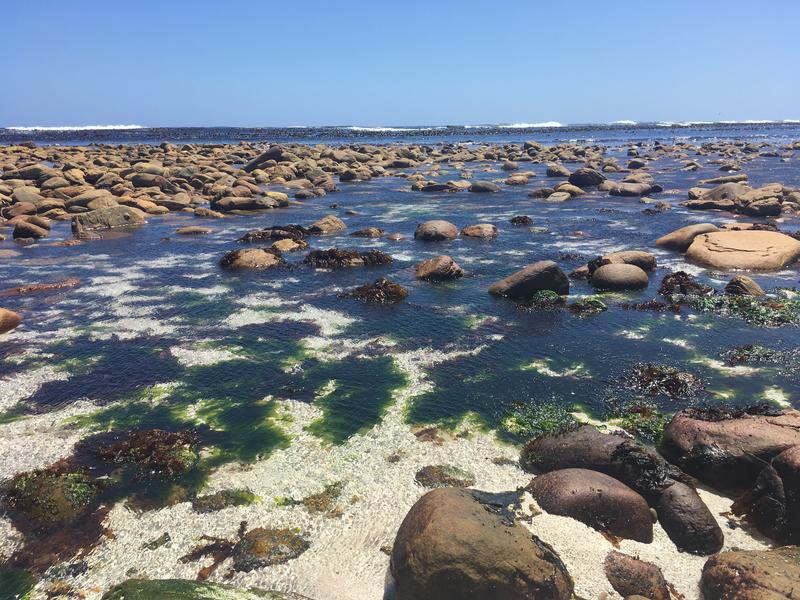
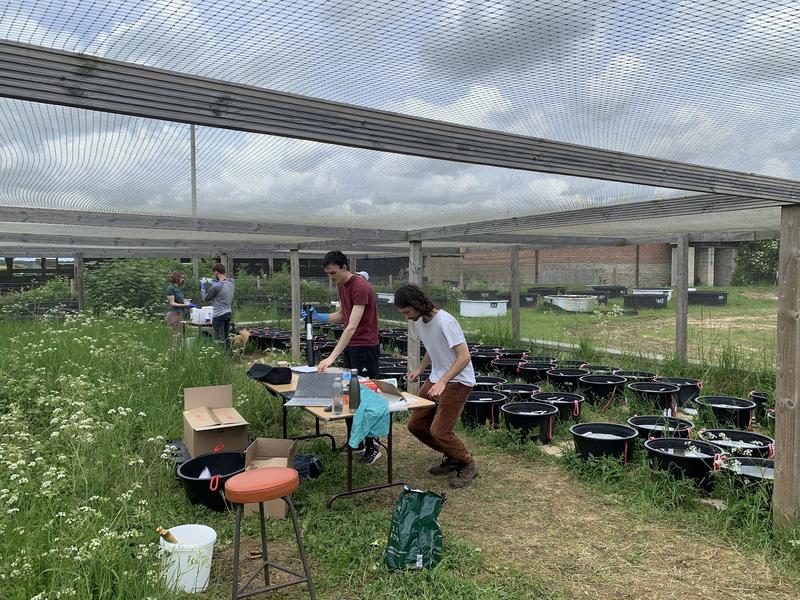
Our research spans from pole to pole. For instance, we use natural geothermal temperature gradients in Antarctica to quantify how intertidal and lake communities respond to warming. In South Africa, we have a project which is investigating how stream food webs vary across land use gradients. We also use indoor aquaria and outdoor ‘mesocosm’ ponds and streams to manipulate stress conditions and quantify how populations and communities respond. See details on some of our current projects below.
Changing rivers and wetlands
We have several projects which focus on how freshwater systems in England are changing under the pressure of multiple stressors. Most of these are funded by NERC via grants and the EcoWild PhD training programme. For instance, in our project “Pathways of chemicals into freshwaters and their ecological impacts”, we are working with the Centre for Ecology and Hydrology, the Environment Agency, and the University of Bath to understand the link between sources of anthropogenic chemicals and their pathways, fate and ecological impacts in freshwater ecosystems. In 2023, the team at Oxford completed four successful stream side mesocosm experiments to ask how pollution (from nutrients and chemicals in sewage) interacts with climate warming to alter river communities and ecosystem functioning.
Sewage pollution and climate change in intertidal ecosystems
This project aims to disentangle the individual and combined effects of global warming and nutrient pollution on rocky shore intertidal communities. We have installed passively-warmed settlement plates in areas with and without nutrient pollution across the globe. This will allow us to explore biogeographic context-dependencies on community composition when exposed to these stressors.
Aquatic plants as time capsules of pollution
This project is using our department’s historical herbarium specimens, dating back to the 1700s, to understand the extent of human impact on UK coastal and inland waters. We are using nitrogen stable isotope analysis to hindcast nutrient pollution levels by using aquatic weeds as ‘time capsules’. This will extend data on indicators of water pollution beyond our current modern records. We are funded by the Gatsby Foundation.
Freshwater research at the poles
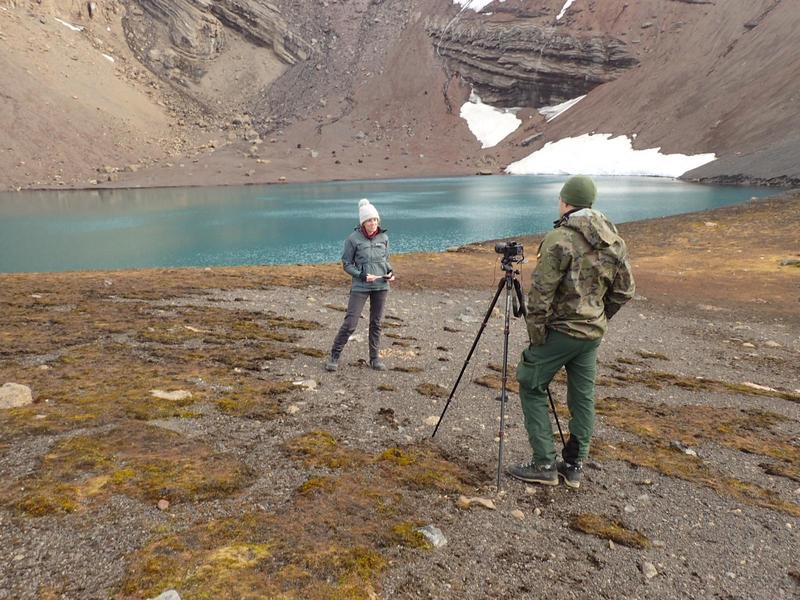
We have worked in the Arctic and Antarctica to ask questions about how human activity influences freshwater food webs in these remote regions. In the Arctic, we use geothermal streams as powerful ‘natural laboratories’ to test the effects of warming on whole natural ecosystems. We have sampled >50 streams in Iceland, Greenland, Alaska, Russia, and Svalbard. In 2019, our project expanding this to Deception Island in Antarctica was selected to join the Spanish Antarctic Campaign. Deception is an active volcano, so sediment on the beaches can be over 70°C! More recently, we have travelled more widely around Antarctica to expand our understanding of freshwater biodiversity in the region.
People
Publications
News

