
Molecular Plant Biology
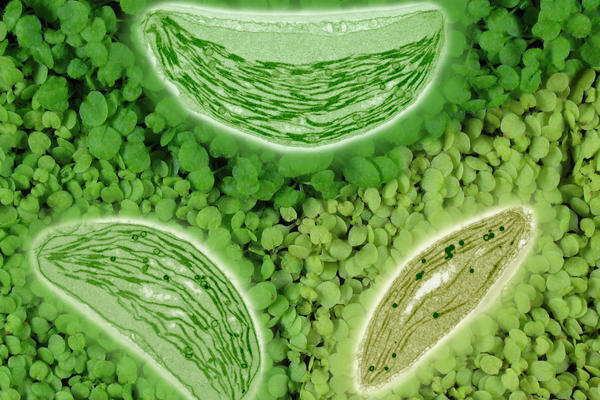
Plants are at the base of almost all the Earth’s food webs. Their ability to harvest light energy using chlorophyll and assimilate carbon dioxide into sugars is a process that provides energy to sustain organisms across the world.
Plants show remarkable adaptations to light, heat, drought, and stress, allowing them to colonise almost all available habitats on our planet: from the oceans to most of the land’s surface. They also exhibit enormous diversity, from single-celled algae to ferns and complex seed plants.
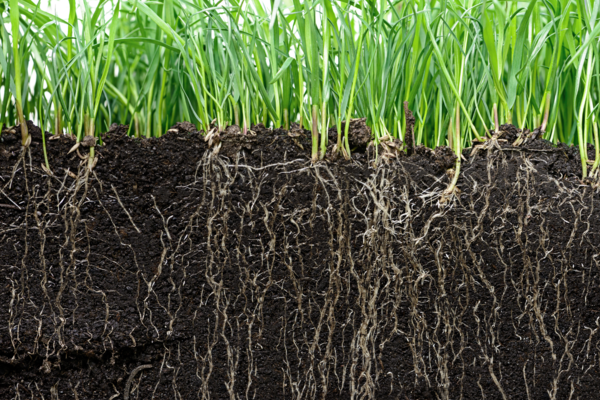
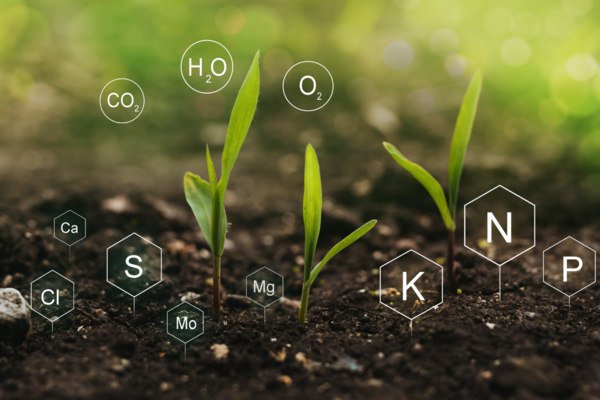
Our research explores the regulation of photosynthesis, plant metabolism, how roots absorb nutrients, and other underlying growth mechanisms, and how plants respond to stress, pathogens, and the impact of climate change.
Professor Lars Østergaard | Section Head
“Plants underpin all complex life forms and human civilisation. They give us the oxygen we breathe, the food we eat, most of the fibres we clothe ourselves in, and are one of the main players in the carbon cycle, trapping and releasing carbon dioxide. They are both the engine and lungs of our planet, and understanding their fundamental biology is essential.”
Lars Østergaard