Microbiology & Infectious Disease
Microbes are the oldest and most widespread organisms, representing the basis of all life on Earth. Diseases caused by microbes are the result of complicated ecological and evolutionary interactions of microbes with ‘macroorganisms’, such as ourselves.
Rather than approaching these challenges from a medical view, we investigate infectious disease from a biological perspective. This often provides surprising insights and novel ways of thinking about disease control and its prevention.
Our research involves informing vaccine development and policy, identifying new strains or variants of disease to help prevent pandemics, tackling anti-microbial resistance, developing ways to reduce the spread of infectious diseases, and applying knowledge beyond humans to other animals and plants.
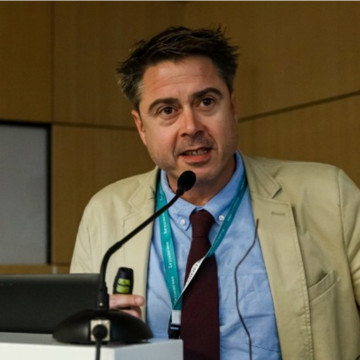
Professor Samuel Sheppard | Section Head
“We live in a microbial world. Although mostly invisible to us, microbes dominate all ecosystems on Earth. Infectious disease is a negative consequence of our interactions with microbes, and understanding them from multiple perspectives is fundamental to the health of humans, animals, and plants.”
Samuel Sheppard